$100 million for open source: A milestone built by the community
Celebrating $100 million contributed by the community to the people who build and sustain open source every day.
Celebrating $100 million contributed by the community to the people who build and sustain open source every day.

GitHub Code Quality is now generally available on GitHub Enterprise Cloud and GitHub Team. It solves an emerging challenge for software development: AI accelerates code output, and Code Quality helps…
The Copilot usage metrics REST API now reports repository-level activity. Two new endpoints return a daily, per-repository breakdown of pull request activity for Copilot coding agent and Copilot code review.…
The Copilot usage metrics API now reports the GitHub Copilot app usage in the enterprise and organization 1-day and 28-day reports. This gives enterprise and organization admins visibility into the…
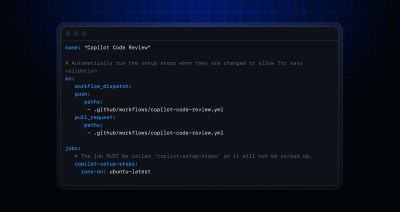
Copilot code review now utilizes a firewall, custom setup steps, and independent runner configurations. It now reads custom instructions from the head branch to allow for easy testing and validation…
GitHub Enterprise Cloud admins can now use the following REST API endpoints to programmatically manage Visual Studio Subscription (VSS) assignments: GET /enterprises/{enterprise}/visual-studio-subscriptions: Returns all VSS assignments for an enterprise, including…
This week, we’re rolling out several improvements to secret scanning and public monitoring: Resend is now a GitHub secret scanning partner. Secret scanning now detects new secret types from APIclub…
GitHub code scanning now surfaces AI-powered security detections directly on pull requests, expanding vulnerability coverage to languages and frameworks not currently supported by CodeQL. These detections help teams identify and…
Starting today, security teams can create, edit, and manage secret scanning custom patterns with the REST API. What’s new The following endpoints are generally available: GET …/secret-scanning/custom-patterns list patterns POST…
You can now see the number of active committers on repositories using GitHub Code Quality across your enterprise, giving you an estimate of your Code Quality license cost before it…
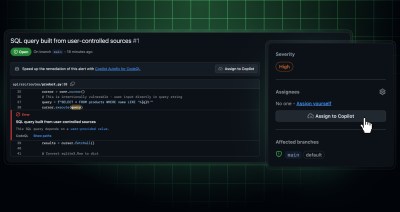
Agentic autofix is now in public preview for all code scanning alerts. It remediates alerts generated by CodeQL and third-party scanning tools by working across your codebase the way a…
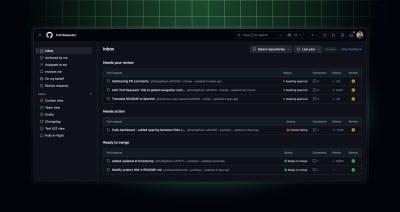
The refreshed pull requests dashboard is now generally available at github.com/pulls. It gives you a single home to track, prioritize, and act on the pull requests that need your attention,…

GitHub had over 14,000 repositories. Fewer than half had clear ownership. Here’s how we gave every active repository a validated owner in under 45 days, archived the rest, and made ownership the foundation for everything that followed.
Organizations can now mandate where GitHub Copilot sends OpenTelemetry (OTel) data, so telemetry flows to an approved collector without each developer setting OTEL_* environment variables. The configuration is delivered through…
Enterprise administrators can now deliver managed GitHub Copilot settings directly to devices through native mobile device management (MDM) and file-based configuration, in addition to the existing server-managed channel. This is…
This changelog covers VS Code v1.123 through v1.127, shipped throughout June and early July 2026. The latest VS Code releases build on the Copilot experience developers use every day, making…
npm v12 is now generally available and tagged latest. This major release turns on the install-time security defaults we announced in June, and it’s also where we begin a deprecation…
The Copilot usage metrics API now reports two additional code-review velocity metrics for each AI adoption phase, extending the adoption phase cohorts fields available in the enterprise and organization reports.…
This update brings Codex as a new agent provider in public preview, expands the Customizations editor with Hooks support and richer MCP server management, and introduces custom model support configured…
On July 1, 2026, we announced Kimi K2.7 would be available to Copilot Pro, Pro+, and Max plans. The model is now additionally available on Copilot Business and Copilot Enterprise…
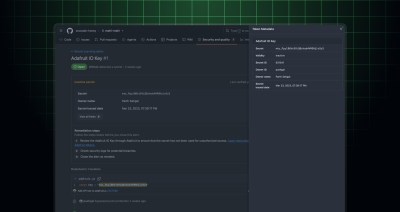
To help you understand ownership and impact of a leaked secret, GitHub secret scanning surfaces enriched metadata for supported secret types. Extended metadata checks are now generally available, including support…

Build what’s next on GitHub, the place for anyone from anywhere to build anything.

Join us October 28-29 in San Francisco or online for GitHub Universe, our flagship developer event uniting people, agents, and the world’s code.

