The data science behind topic suggestions
Earlier this year, we launched topics, a new feature that lets you tag repositories with descriptive words or phrases. Topics help you create connections between similar GitHub projects and explore…
Earlier this year, we launched topics, a new feature that lets you tag repositories with descriptive words or phrases. Topics help you create connections between similar GitHub projects and explore them by type, technology, and other characteristics they have in common.
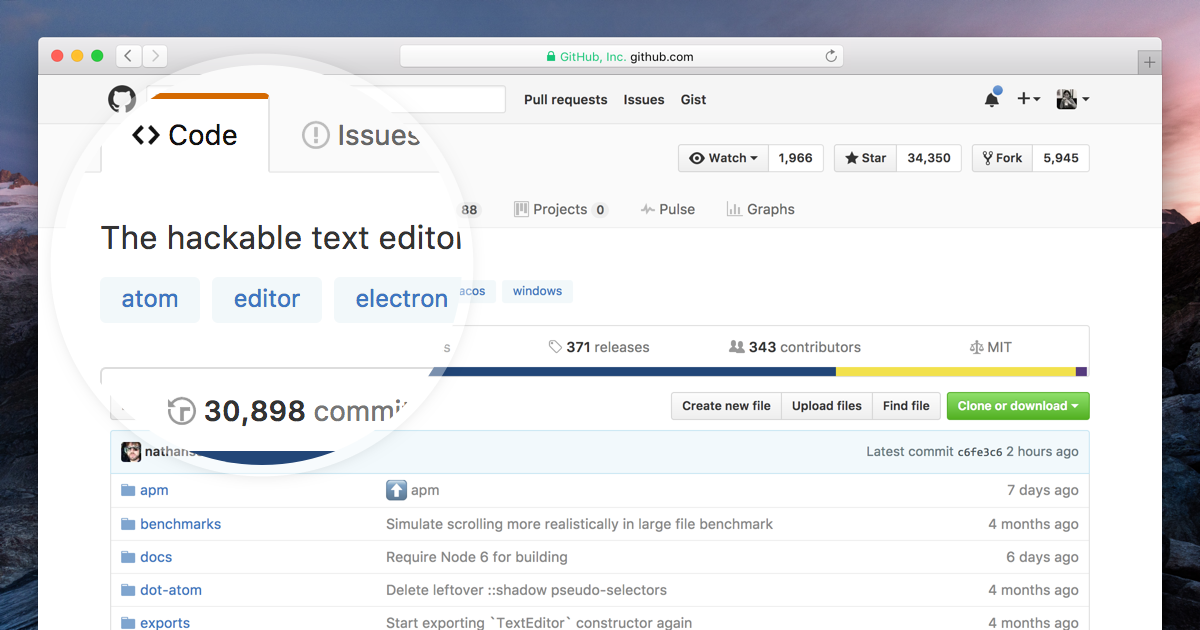
All public repositories show topic suggestions, so you can quickly tag repositories with relevant words and phrases. These suggestions are the result of some exciting data science work—in particular, a topic extraction framework based on text mining, natural language processing, and machine learning called repo-topix.
Learn more about repo-topix from the Engineering Blog

Now when you add or reject topics, you’re doing more than keeping projects organized. Every topic will contribute to surfacing connections and inspiring discovery across GitHub. Repository names, descriptions, and READMEs from millions of public projects serve as the very start of an ever-evolving knowledge graph of concepts. Eventually, the graph will map how these concepts relate to each other and to the code, people, and projects on GitHub.
Topics is part of a greater effort to use our public data to make meaningful improvements to how people discover, interact, and build on GitHub. We’ll be sharing more ways that data can improve the way you work at Universe—our flagship product and community conference.
Get tickets to GitHub Universe
Tags:
Written by

Related posts

The next developer interface is ambient intelligence
AI, agents, voice, and physical controls are shifting software development from operating tools to expressing intent—and helping developers stay focused on building.
GitHub availability report: September 2026
In September, we experienced two incidents that resulted in degraded performance across GitHub services.
10 technical talks I’m excited about at GitHub Universe 2026
From verifying AI-written code to securing npm dependencies, these are the sessions I’m building my Universe agenda around.