
What’s new from GitHub Changelog? October 2021 recap
A public beta of the new GitHub Issues, a “security manager” role for organizations, a command palette beta, and lots more.
A public beta of the new GitHub Issues, a “security manager” role for organizations, a command palette beta, and lots more.
On February 16, 2022, all non-audit-related npm Advisory APIs will be deprecated. Historically these undocumented APIs have been used to programmatically access advisory data. If you don’t use these APIs,…
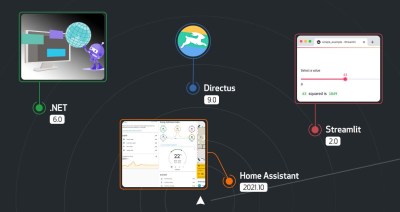
What an incredible month it’s been for GitHub and our communities. Whilst we’ve been busy with GitHub Universe, our communities have been busy coding. It’s been a successful year for…

During Universe, we received a number of security questions ranging from our strategy to our advisories. Here’s what we’ve got planned!
Here are a few ways our teams use GitHub Discussions internally to build community, simplify workflows, and get key insights into our work.
It’s now possible to dismiss Dependabot alerts via the GraphQL API. For more info, see our docs.
Catch up on 44 ships, including a colorblind-accessible theme, a public README.md for organizations, and customization of code review settings.
You can now set whether a repository allows forking when creating or updating it using either the REST or GraphQL API. Previously, APIs for creating and updating repositories didn’t consider…
What did we ship in August? Codespaces, Discussions, and lots of other updates, from the general availability of the dark high contrast theme to an auto-generated table of contents for wikis.
The new GraphQL mutation createCommitOnBranch makes it easier to add, update, and delete files in a branch of a repository. This new API offers a simpler way to commit changes…
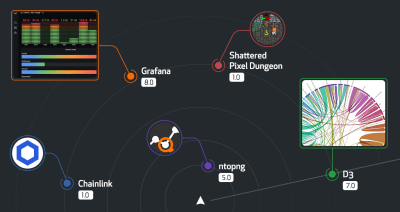
The end of financial year is complete, tax time is over, and everyone is back to shipping awesome projects. During August, our community has been super busy shipping lots of…
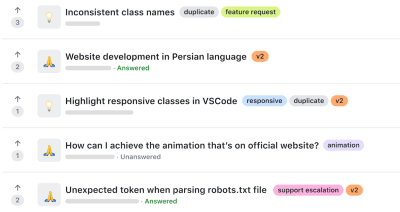
GitHub Discussions is now out of beta, with features that include labels, Discussions GraphQL API and webhooks, and mobile functionality.
Today we are announcing new beta features within GitHub Issues, with better ways to plan, track, and manage projects. Read more on the GitHub Issues page or in the FAQ.…
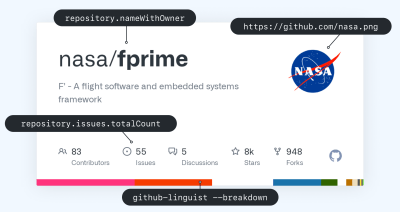
We recently set about creating a framework and service for automatically generating social sharing images for repositories and other resources on GitHub.
The new Required Conversation resolution branch protection rule and Conversations menu is now generally available. Easily discover your pull request comments from the files changed tab and require that all…

👋 Hello from the GitHub Docs team! We build everything you see at docs.github.com. Over the past year, we’ve written a bunch of GitHub Actions workflows to do some fun…
In March, we experienced three incidents resulting in significant impact and degraded state of availability for issues, pull requests, webhooks, API requests, GitHub Pages, and GitHub Actions services. Follow up…
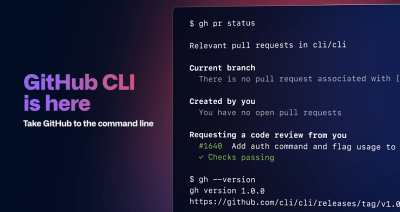
It has been a year since we’ve launched the first public release of GitHub CLI. Since, we have added functionality to manage your repositories, comment on issues, enable auto-merge for…
Pull request auto-merge is now generally available on GitHub and through GitHub Mobile. With auto-merge, pull requests can be set to merge automatically when all merge requirements are met. No…
We’ve expanded our REST and GraphQL APIs for interaction limits to include two recently released features: set and query interaction limits for user accounts set longer interaction limits on repositories,…
Temporary interaction limits have new, powerful, and flexible updates. You can now enable interaction limits for up to six months. In addition, you can limit interactions across all your personal…

Build what’s next on GitHub, the place for anyone from anywhere to build anything.

Catch up on the GitHub podcast, a show dedicated to the topics, trends, stories and culture in and around the open source developer community on GitHub.

