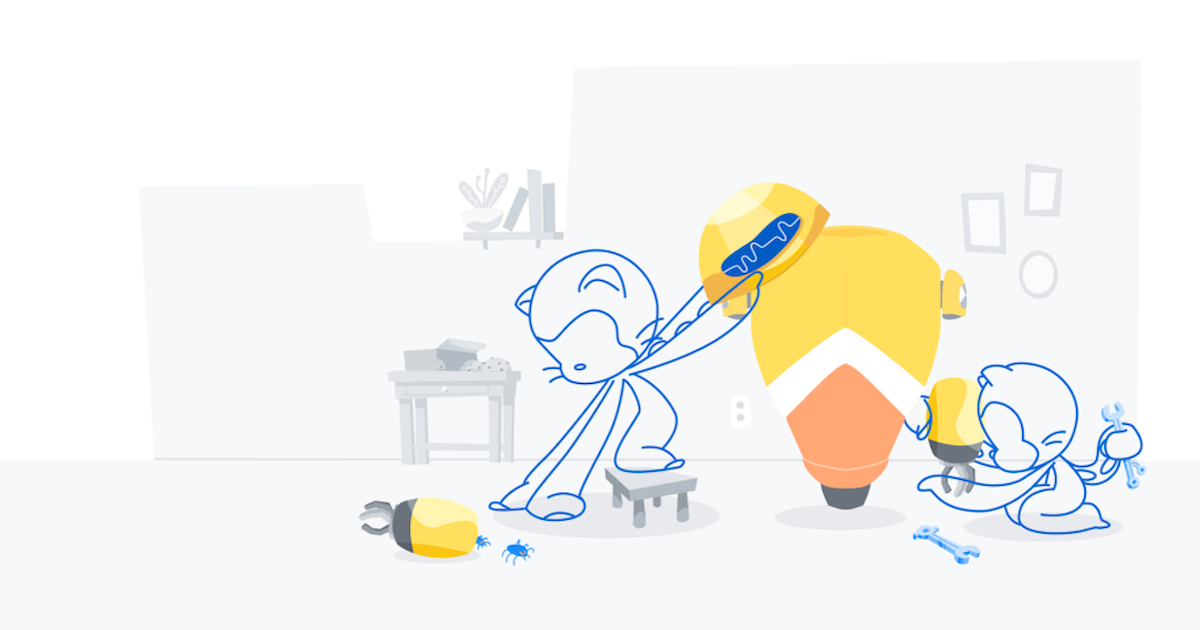
Default to PR titles for squash merge commit messages
You can now default to using PR titles for all squash merge commit messages. Navigate to ‘Settings’ in your repository and scroll down to the Pull Requests section. Select Allow…
You can now default to using PR titles for all squash merge commit messages. Navigate to ‘Settings’ in your repository and scroll down to the Pull Requests section. Select Allow…

This year, thousands of students from around the world came together and redefined the world we live in, how we learn, and how we move forward. We are honored to…

Introduction Open Sauced, GitHub’s Explore page, Hacktoberfest, and First Timers Only help folks discover open source projects. This monthly series–Open Source Monthly—will add to these efforts by helping: First-time contributors…
Dependabot will now update @types dependencies alongside their corresponding packages in TypeScript projects. Before this change, users would see separate pull requests for a package and its corresponding @types package.…
GitHub Actions now lets you generate markdown files and publish them as a job summary. We have heard a lot of feedback from users asking for the ability to output…
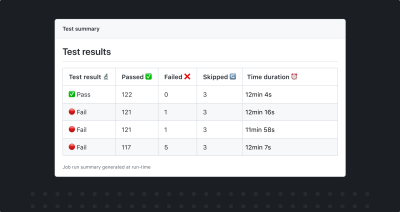
You can now output and group custom Markdown content on the Actions run summary page.
With the latest update of GitHub Mobile, we’re introducing more project fields on issues and pull requests! You can now edit custom text, number, date, and single-select fields for issues…

We’re taking a look at some of the most common security vulnerabilities and detailing how developers can best protect themselves.

GitHub will require all users who contribute code on GitHub.com to enable one or more forms of two-factor authentication (2FA) by the end of 2023.
This is the second and final post in a series describing friendly forks and alternative strategies for managing them.

Thanks to the efforts of the Elixir community, GitHub supports code navigation for Elixir repositories. Read how favorite language can add this support too!

These days software is subject to an ever-changing threat landscape. Check out the many ways you can keep your projects secure on GitHub today.
Interactive elements such as links and buttons now show a visible outline when focused with a keyboard, helping you find your position on a page. In addition, form fields now…

From plug-and-play automations to protected branches, here are simple ways any developer can build more secure software on GitHub—all with a free account.
Codespaces now has improvements that will streamline your experience when working with multi-repository and monorepo projects. To enable teams to develop applications that span across multiple repositories (e.g. common in…

We’re releasing exciting improvements that will streamline your Codespaces experience when working with multi-repository projects and monorepos.

Introducing CodeQL packs to help you codify and share your knowledge of vulnerabilities.
You can now require a successful deployment of a branch before its pull request can be merged. This is made possible by a new branch protection setting titled Require deployments…
Ensuring secure access to your source code is more important than ever. Git Credential Manager helps make that easy.
Our latest updates to the projects (beta) experience include the highly requested ability to bulk add issues and pull requests to a project as well as an explorable archive and…
A new DependabotUpdate GraphQL object connects the relevant repository’s Dependabot alert(s) – aka vulnerabilityAlerts – to the Dependabot generated pull request or error. query($repo_owner:String!, $repo_name:String!) { repository(owner: $repo_owner, name: $repo_name)…

Build what’s next on GitHub, the place for anyone from anywhere to build anything.

Join us October 28-29 in San Francisco or online for GitHub Universe, our flagship developer event uniting people, agents, and the world’s code.

