Building AI-powered GitHub issue triage with the Copilot SDK
Learn how to integrate the Copilot SDK into a React Native app to generate AI-powered issue summaries, with production patterns for graceful degradation and caching.
Learn how to integrate the Copilot SDK into a React Native app to generate AI-powered issue summaries, with production patterns for graceful degradation and caching.
Copilot usage metrics now provides full clarity into model usage when auto model selection is enabled. Activity that previously appeared under a generic “Auto” label now resolves to the actual…
You can now assign Dependabot alerts to specific users, helping your team track and remediate dependency vulnerabilities more effectively by assigning clear ownership of alerts. How it works From the…
As we announced in October of 2025, we deprecated several Dependabot-specific pull request comment commands today in favor of GitHub’s native pull request features and functionality. This change is intended…
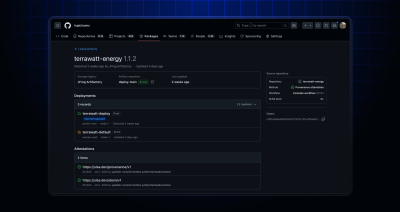
You can now link build artifacts like containers and binaries to GitHub and add storage and deployment context, even if the artifacts live outside GitHub. This helps you get code-to-cloud…
GitHub Enterprise customers can now configure enterprise-scoped budgets that exclude cost center usage, allowing specific portions of an enterprise to incur additional usage while limiting the rest. Previously, this required…
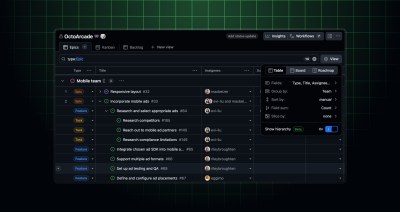
Hierarchy view for GitHub Projects is now available in public preview. You can now view your full issue hierarchy directly in project table views, giving you clear visibility into complex…
Code scanning alert assignees are now generally available, helping your team track and remediate security vulnerabilities more effectively by assigning clear ownership of alerts. What’s new in general availability? Since…
To help you track and remediate secret scanning alerts more effectively, secret scanning alert assignees and security campaigns are now generally available. What’s new? Notifications: Alert assignees receive email notifications…
A breakdown of how Copilot coding agent has contributed to a better, more powerful GitHub.
You can now assign GitHub code scanning alerts directly to Copilot to assist with automated remediation. This extends Copilot coding agent capabilities to security vulnerabilities, enabling faster resolution of common…
On January 27, 2026, several Dependabot-specific pull request comment commands will be deprecated in favor of GitHub’s native pull request features and functionality. This change is intended to reduce confusion,…

In August, we experienced three incidents that resulted in degraded performance across GitHub services.
Dependencies on issues are now generally available! You can now specify which issues are blocked by or blocking others, making it easy for teams to define work that must be…
Now generally available, GitHub Secret Protection users have the ability to configure which secret scanning patterns are included in push protection. This customization helps you to better meet your organization’s…

How GitHub’s new MCP server and GPT-5 are revolutionizing developer workflows — with live build examples.
As of July 17, 2025 usage of https://models.inference.ai.azure.com for GitHub Models inference and embeddings is officially deprecated. This change follows the launch of the GitHub Models API on May 15,…
Stay in flow with the latest updates to GitHub Issues and Projects. You can now duplicate issues across repositories and start new issues from anywhere in the GitHub UI. These…

Learn how to streamline your development workflow with five different MCP use cases.
GitHub code scanning customers can now require a review process before dismissing alerts, helping you manage security risks as well as meet audit and compliance requirements. What’s new Provide a…
GitHub Team plans can now configure and enforce organization-level rulesets! Previously, this powerful governance capability was limited to Enterprise plans, but now Team plan customers can scale their use of…

Build what’s next on GitHub, the place for anyone from anywhere to build anything.

Join us October 28-29 in San Francisco or online for GitHub Universe, our flagship developer event uniting people, agents, and the world’s code.

