
GraphQL global ID migration update
All newly created GraphQL objects now have IDs that conform to a new format, which we refer to as “next IDs.” Learn how to migrate older IDs to the new format and why we’re making the change.
All newly created GraphQL objects now have IDs that conform to a new format, which we refer to as “next IDs.” Learn how to migrate older IDs to the new format and why we’re making the change.

The GitHub Discussions GraphQL API public beta is now available. Get started with the GitHub Discussions API. For questions or feedback, visit GitHub Discussions feedback.

The GitHub GraphQL API has been publicly available for over 4 years now. Its usage has grown immensely over time, and we’ve learned a lot from running one of the…
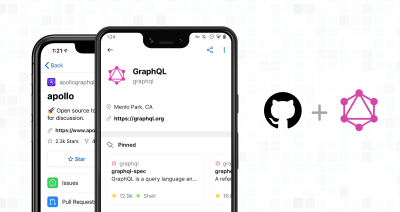
GitHub’s mobile applications have used GraphQL to power new features. We’ve now been able to move faster and get more done with less hassle and no over-fetching. We were able…
The Audit Log GraphQL API is now generally available. With this update, GitHub Enterprise Cloud administrators can programmatically access audit log events for detailed security and compliance insights across their…
Enterprise accounts now have a public schema preview available for GitHub Enterprise Cloud. As part of this preview, enterprise owners have the ability to manage enterprise accounts via the GraphQL…
You can now create repositories using the GitHub GraphQL API. Learn more about creating repositories via GraphQL

The newly shipped GitHut Audit log API allows you to make efficient queries for specific log data. Learn more about how to get started with the API.
With the release of resolvable conversations, we’re releasing some new GraphQL mutations and fields to help people automate their workflows and create new integrations. Learn more
As part of our ongoing work to create a GraphQL API for Checks, you can now run mutations for creating or updating check suites and check runs. Learn more

The Octokit.NET library is now available for GitHub API v4.
As part of our ongoing work to create a GraphQL API for Checks, you can now query for check runs, suites, and annotation information. Learn more
The GraphQL API now supports requests made by GitHub Apps. Any query or mutation available in the public schema can be made by users authorized through a GitHub App. Read…

Make the switch from REST to GraphQL with our webcast and online training course. Webcast: Migrating from REST to GraphQL Join GitHub Platform Engineer Mark Tareshawty and Trainer Matt Desmond…

The latest GitHub Enterprise release is here with updates for developers and admins alike. Customizable workflows and advanced project tracking help your team do more at every step of the…
The latest GitHub Enterprise release is here with updates for developers and admins alike. Customizable workflows and advanced project tracking help your team do more at every step of the…
GitHub announced a public API one month after the site launched. We’ve evolved this platform through three versions, adhering to RFC standards and embracing new design patterns to provide a clear and consistent interface.
You can now get the version of a vulnerable dependency directly from Dependabot alert responses in the REST API. Each alert’s dependency object includes a new version_requirement field with the…

Our new repo star history API now provides trends without returning individual identities or requiring unbounded database work. These are the engineering tradeoffs we made.
We’re releasing several GitHub Apps improvements today that help developers move off of classic PATs, improve GitHub App management, and request fewer sensitive permissions. We’ve also made it easier for…
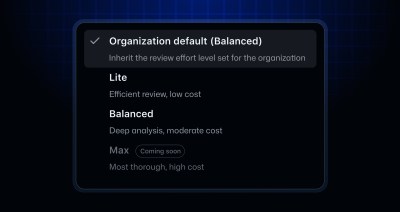
You can now request a GitHub Copilot code review through the REST and GraphQL APIs and set the review effort level for each request. Balanced is also now the default…

Build what’s next on GitHub, the place for anyone from anywhere to build anything.

Join us October 28-29 in San Francisco or online for GitHub Universe, our flagship developer event uniting people, agents, and the world’s code.

