Selected models in GitHub Copilot deprecated
As of today, October 2, 2026, we have deprecated the following models across all GitHub Copilot experiences (including Copilot Chat, inline edits, ask and agent modes, and code completions). Model…
As of today, October 2, 2026, we have deprecated the following models across all GitHub Copilot experiences (including Copilot Chat, inline edits, ask and agent modes, and code completions). Model…
You can now read more of the GitHub Advisory Database directly from the GraphQL API without falling back to the REST API. The SecurityAdvisory object gained five new fields: cveId:…
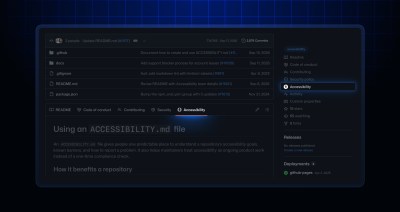
You can now find an ACCESSIBILITY.md file in your repository’s root, the .github/ directory, or the docs/ directory highlighted on the repository overview. You can also add or propose an…
Dynamic workflows are now available in Copilot CLI, the GitHub Copilot app, and the GitHub Copilot SDK. These let you define an orchestration in code to get the reliability and…
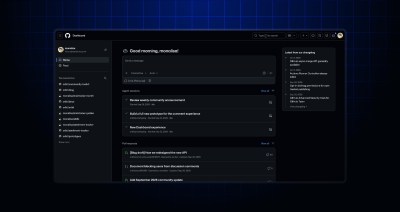
The new dashboard experience, previously available as a feature preview, is now the default view for everyone. The redesigned dashboard helps you focus on the work that matters most and…
From verifying AI-written code to securing npm dependencies, these are the sessions I’m building my Universe agenda around.
Trusted publishing configurations for npm can now be granted permission to manage dist-tags (e.g., promoting a version to latest, updating next and beta pointers) using short-lived OIDC credentials instead of…
The HydraFusion research preview is now available in Visual Studio Code and the GitHub Copilot app, expanding beyond Copilot CLI. HydraFusion appears in the model picker, but rather than being…
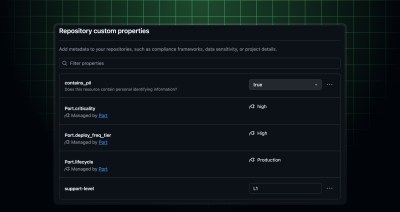
You can now seamlessly bring business context about your repositories from an external system of record (e.g., a configuration management database (CMDB), an internal developer portal, or an in-house system)…
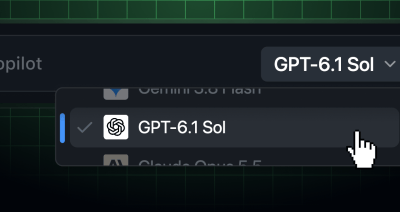
GPT-6.1 Sol, the latest model from OpenAI, is now generally available and rolling out in GitHub Copilot. You can use it for agentic coding and terminal workflows with strong multistep…

Explore GitHub’s latest transparency data and learn more about policy updates affecting developers and open source.

A look at the targeted AI taskflows behind these findings, the critical Android bugs they uncovered, and how to run the same open-source agent on your own app.
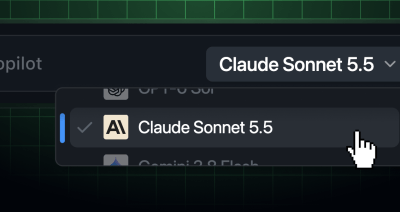
Claude Sonnet 5.5, Anthropic’s newest Sonnet model, is now generally available in GitHub Copilot. It is designed for well-scoped everyday work like building features and fixing bugs. In our early…
Private saved views for repository issues Repository issues pages now support private saved views, making it easier to create and save personalized views of your issues. “Relates to” issue relationship…

Describe the interface you need in plain English, then let the agent build a live surface you can both use and update—so you spend less time adapting to tools and more time getting work done.
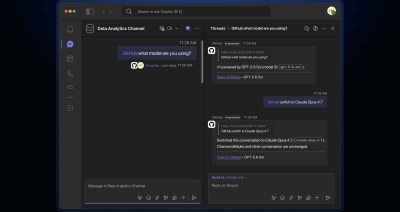
GitHub Copilot in Slack and Microsoft Teams now gives you more context, more control, and a clearer path from conversation to GitHub work. Whether you’re sharing files in Slack or…
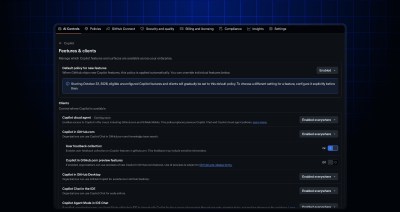
We’re introducing a new global default policy for generally available GitHub Copilot features and supported client capabilities in enterprise and organization Copilot settings. For the next 28 days, you can…
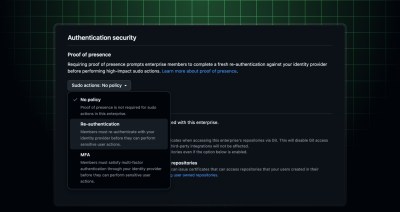
You can now require an interactive re-authentication or a multi-factor challenge before members take high-impact actions on GitHub Enterprise Cloud accounts. Proof of presence is an expansion of GitHub’s sudo…
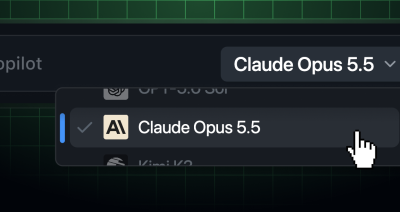
Claude Opus 5.5, Anthropic’s newest Opus model, is now available in GitHub Copilot. You can use it for agentic coding, long-running agentic tasks, and knowledge work. In early testing, Opus…
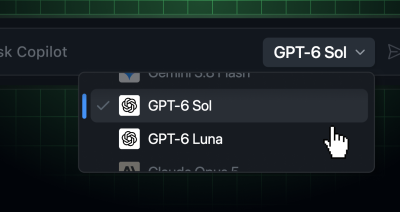
OpenAI’s GPT-6 family is expanding in GitHub Copilot with two additional models: GPT-6 Sol, and GPT-6 Luna. Joining the previously released GPT-6 Astra, these new options let you select the…
We will deprecate the following models across all GitHub Copilot experiences (including Copilot Chat, inline edits, ask and agent modes, and code completions) on October 19th, 2026: Model Deprecation date…

Build what’s next on GitHub, the place for anyone from anywhere to build anything.

Catch up on the key announcements shaping the future of software development.

