
Billing REST API: Actions and Packages public beta
We’ve added new billing REST API endpoints for Actions and Packages. You can monitor your GitHub Actions and GitHub Packages charges and usage for the current billing period for a…
We’ve added new billing REST API endpoints for Actions and Packages. You can monitor your GitHub Actions and GitHub Packages charges and usage for the current billing period for a…
We are expanding support for the triage and maintain roles in the REST API. Users with the triage or maintain role can now use endpoints that reflect what they can…
You can now create a draft pull request via the REST API. View the REST API documentation for more information.
As previously announced, we will be begin to validate request payloads more strictly in the REST API starting on November 1, 2018. You can opt into the new validations by…
On November 1, 2018 we will begin to validate request payloads more strictly. Calls that previously returned a 2xx success code, may return a 422 Unprocessable Entity. Learn more
The node_id attribute, used to identify GraphQL API objects from the REST API, is now officially supported in the REST API v3 for GitHub.com and GitHub Enterprise (versions 2.14 and…
As part of our ongoing commitment to protect our users and ensure responsible use of our platform, the Notifications team will soon introduce access restrictions to several public API endpoints…
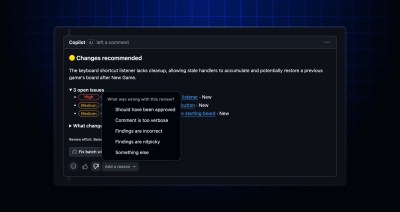
You can now manage GitHub Copilot code review settings through the REST and GraphQL APIs, from enterprise policy down to individual repositories. Copilot’s review overview comment is now more compact,…
The enterprise and organization repository-level Copilot usage metrics reports now show what happens to Copilot code review feedback. A new copilot_code_review object on each repos-1-day row reports how many Copilot-reviewed…
The Copilot usage metrics API now shows which users are missing client telemetry or are running IDE or extension versions below the usage metrics minimums. New per-user fields appear in…
The Copilot usage metrics API now shows bring your own key (BYOK) usage across GitHub Copilot, so you can separate it from Copilot-hosted model usage. Reports cover two kinds of…
We’re adding IP ranges for GitHub webhook deliveries on github.com. The Meta API now includes these additional ranges in the hooks field. If you maintain a static network allowlist for…
The Copilot usage metrics API now reports model usage from more of the tools your developers use with Copilot, including tools like OpenCode that weren’t previously captured in your reports.…
Public monitoring now includes alert management capabilities like automatic validity checks to help you triage and remediate leaked secrets at scale. Alert management with dismissals, timelines, and filtering Always-on validity…
Copilot usage metrics now show the names of the skills, custom agents, Model Context Protocol (MCP) servers, slash commands, and plugins that your organization creates, instead of grouping them under…
We’re adding blob storage endpoints for GitHub Actions on github.com as part of our ongoing work to improve capacity and reliability. The meta API now includes these new endpoints. If…
You can now use the REST API to retrieve and update Copilot model policies for enterprises, enterprise teams, agent apps, and organizations. What’s new GET and PATCH endpoints are now…
If your Copilot usage metrics have shown agent activity or agent lines of code falling while Copilot usage kept growing, we’ve found the cause, and a fix is rolling out…
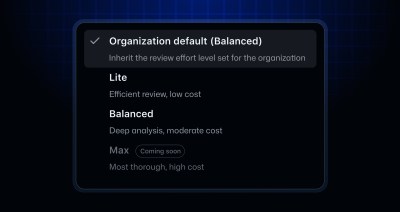
You can now request a GitHub Copilot code review through the REST and GraphQL APIs and set the review effort level for each request. Balanced is also now the default…
You can now read more of the GitHub Advisory Database directly from the GraphQL API without falling back to the REST API. The SecurityAdvisory object gained five new fields: cveId:…
You can now read, add, and edit comments on repository security advisories using the REST API, including advisories created from private vulnerability reports. Until now, the discussion on an advisory…

Build what’s next on GitHub, the place for anyone from anywhere to build anything.

Catch up on the key announcements shaping the future of software development.

