Introducing the New GitHub Graphs
Translations: Ukrainian. We’ve revamped our existing graphs and added three new graphs to help you discover even more about GitHub hosted repositories. Contributors See who’s contributing to a project and…
Translations: Ukrainian.
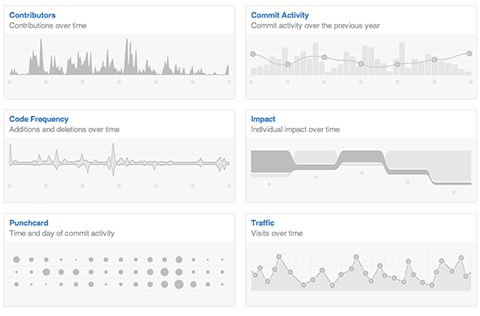
We’ve revamped our existing graphs and added three new graphs to help you discover even more about GitHub hosted repositories.
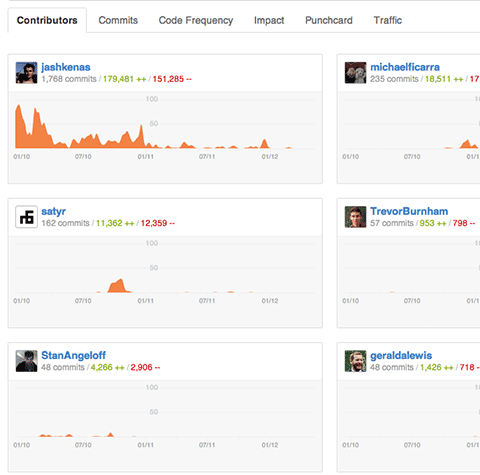
Contributors
See who’s contributing to a project and their contributions relative to other contributors.
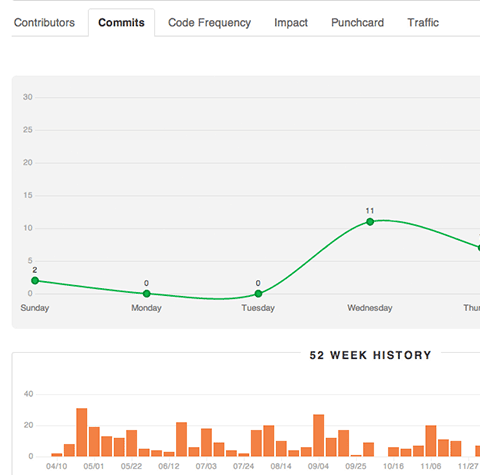
Commit Activity
Commit activity for the past year with a week by week breakdown.
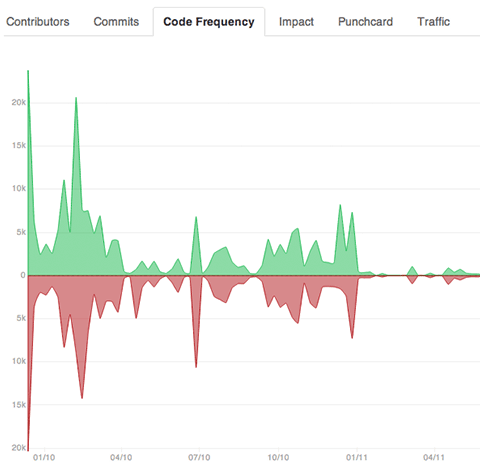
Code Frequency
See additions and deletions over the lifetime of a project.
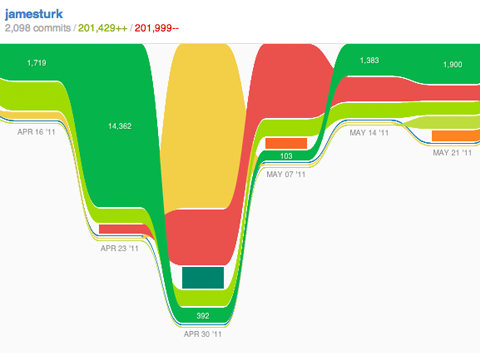
Impact
See individual impact over time. Historical update: The Impact graph is no longer a GitHub feature
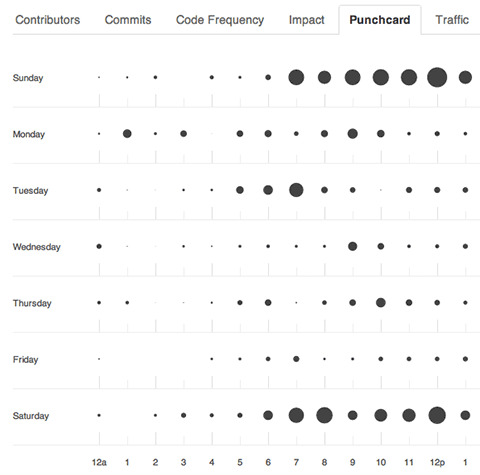
Punchcard
See the hour and day when commits are most frequent.
The new GitHub graphs are built with the amazing d3 library by @mbostock.
Written by

Related posts

The next developer interface is ambient intelligence
AI, agents, voice, and physical controls are shifting software development from operating tools to expressing intent—and helping developers stay focused on building.

GitHub availability report: September 2026
In September, we experienced two incidents that resulted in degraded performance across GitHub services.
10 technical talks I’m excited about at GitHub Universe 2026
From verifying AI-written code to securing npm dependencies, these are the sessions I’m building my Universe agenda around.