GitHub for Windows Recent Improvements
It’s been almost a year since we first released GitHub for Windows. Today we just shipped version 1.0.38. That’s 38 updates since 1.0! As we’ve said before, we ship early…
It’s been almost a year since we first released GitHub for Windows. Today we just shipped version 1.0.38. That’s 38 updates since 1.0!
As we’ve said before, we ship early and often.
Since we’ve been mostly quiet about the work we’ve done with GitHub for Windows, I thought I’d summarize some of the improvements we’ve made recently.
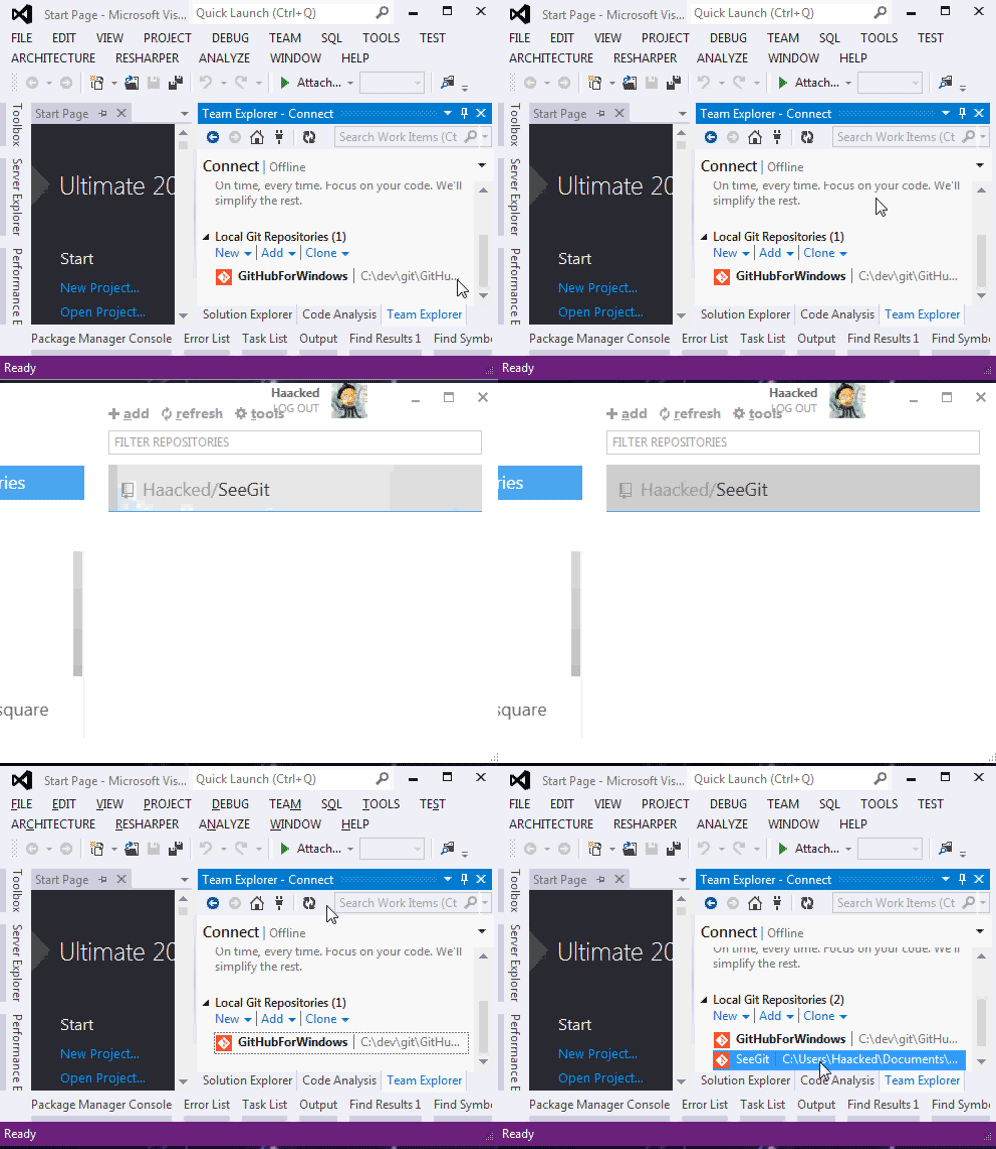
Visual Studio Git support integration
You may have heard that Microsoft announced an early preview of their Git integration for Visual Studio. The easiest way to get a Git repository into Visual Studio is to clone it via GitHub for Windows. When you navigate to the Team Explorer, it’ll be listed there.
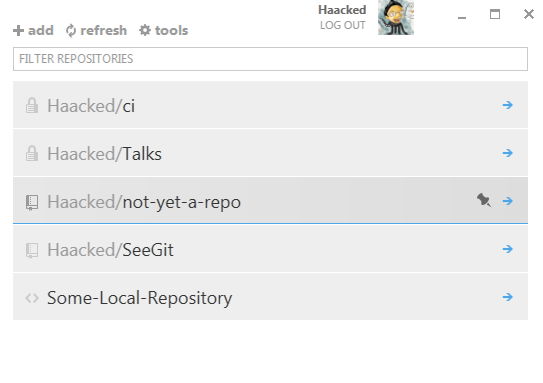
Repository Private/Public glyphs
Repositories now have an indicator that shows whether they are a private, public, or non-GitHub repository.
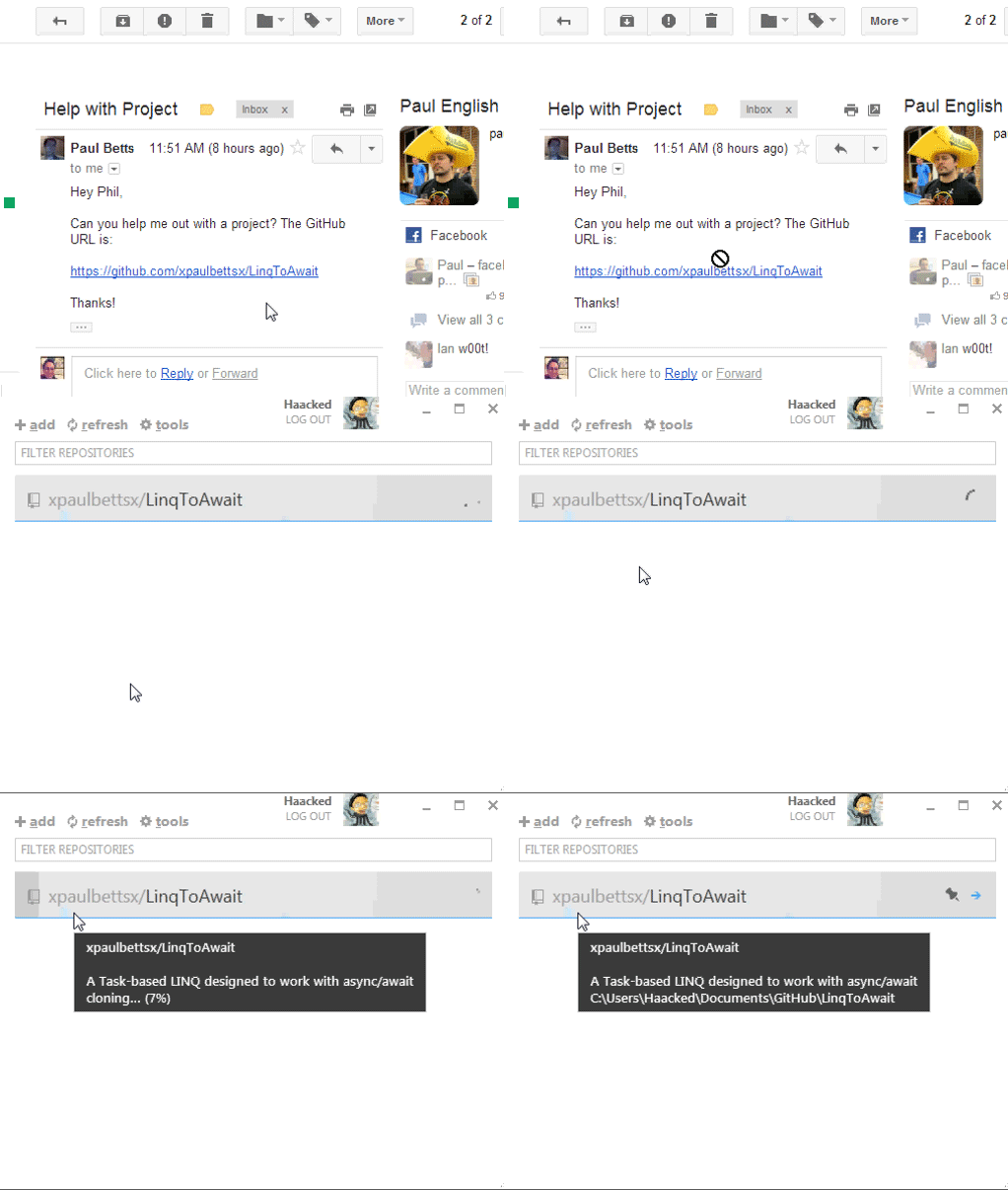
Drag and Drop URLs to Clone Repositories
If you have a URL to a Git repository, you can now simply drag and drop it onto GitHub for Windows’ dashboard to clone that repository. This is handy if you have repositories not on GitHub that you need to work with.
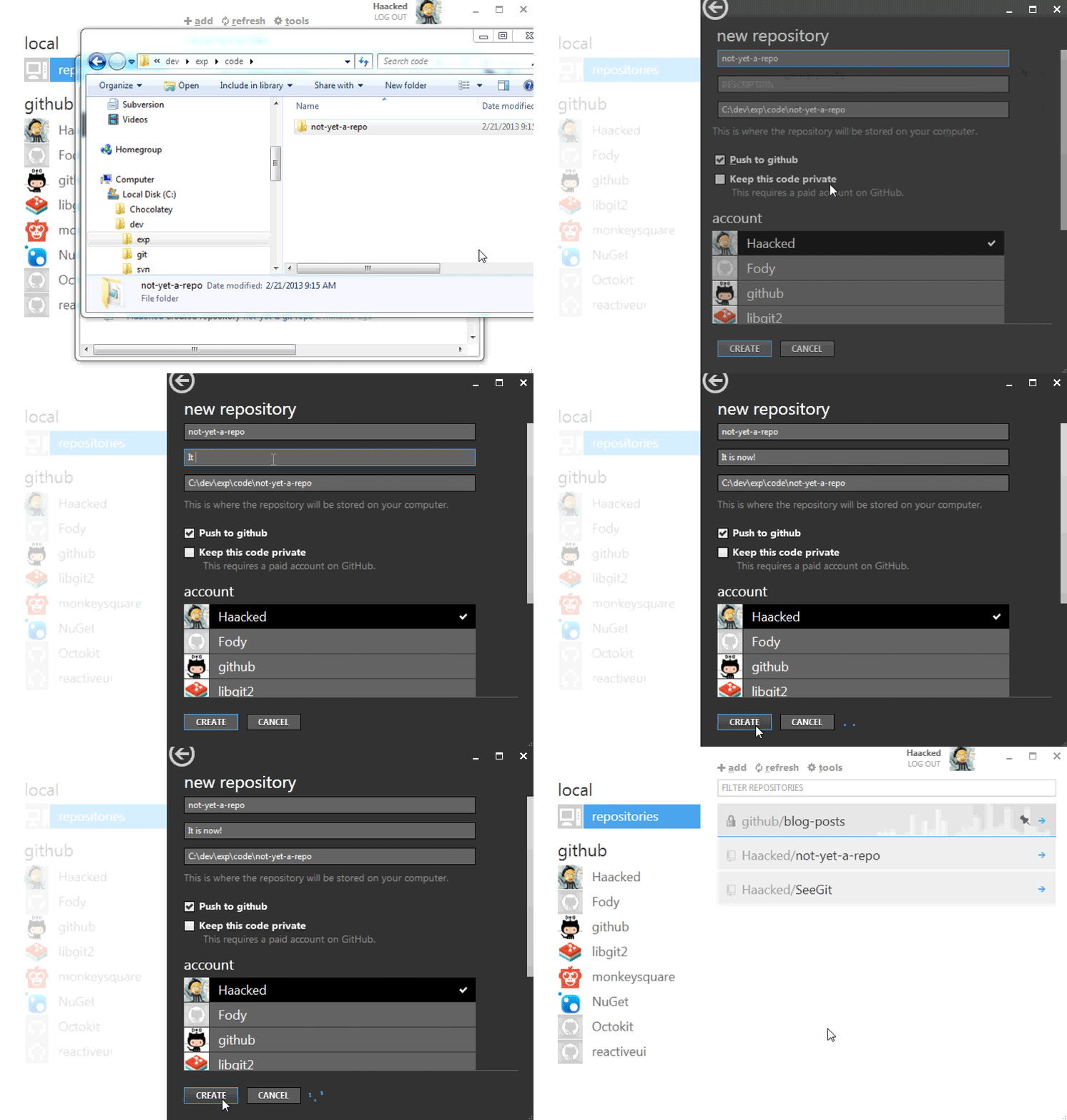
Drag a folder to create a repository
Say you have some code that’s not yet in a Git repository. Simply drag it onto the dashboard and we’ll create a new Git repository with the code.
If you haven’t installed GitHub for Windows, download it from windows.github.com. It’s the easiest way to get Git on a Windows machine.
Written by

Related posts

An update on GitHub availability
Here’s what we’ve done—and what we’re still doing—to improve our availability and reliability.

GitHub Copilot is moving to usage-based billing
Starting June 1, your Copilot usage will consume GitHub AI Credits.

Changes to GitHub Copilot Individual plans
We’re making these changes to ensure a reliable and predictable experience for existing customers.