Atom reaches one million active users
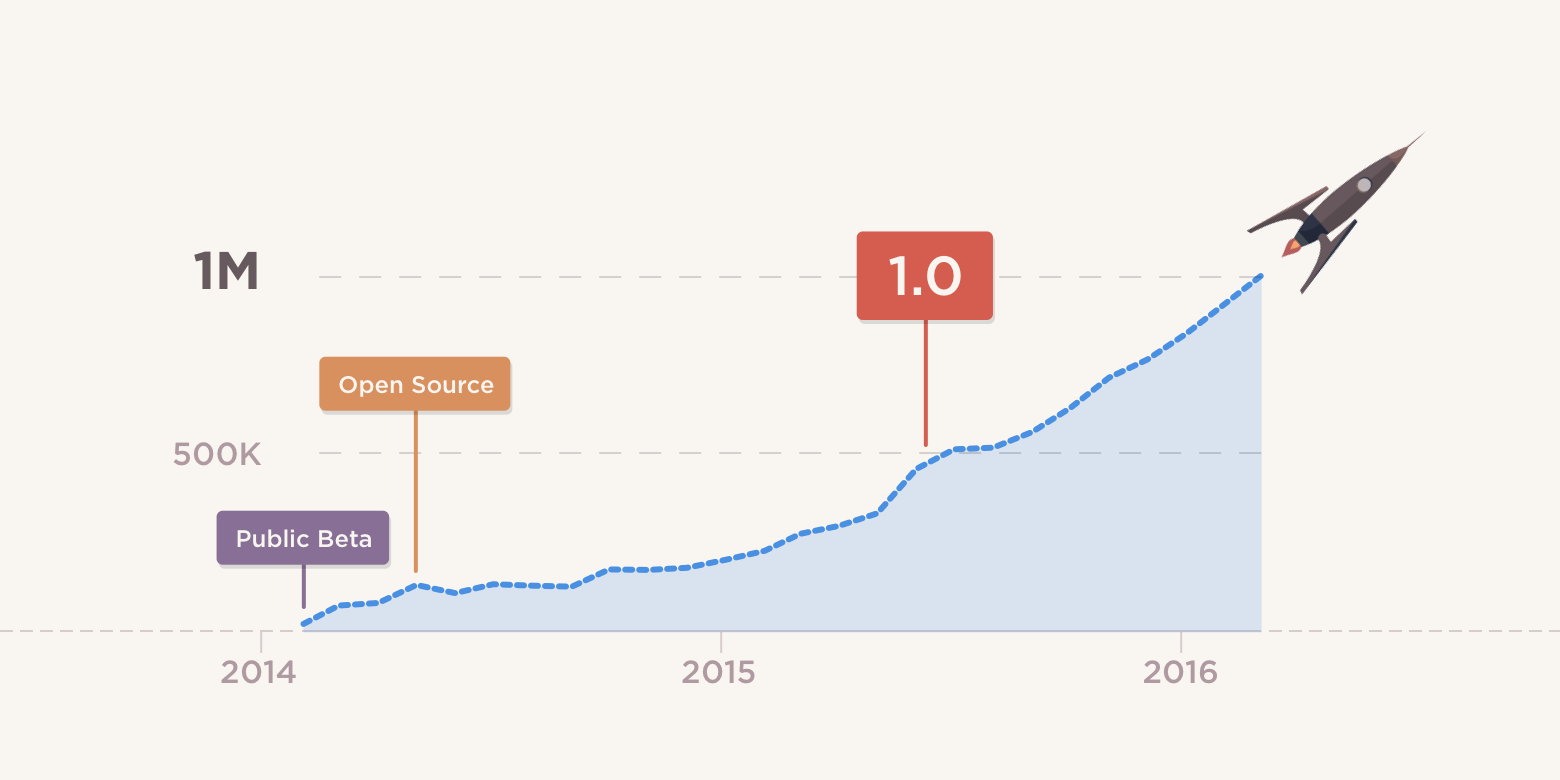
We have reached an exciting milestone: one million people have launched some version of Atom in the last month. That’s three times the number of active users we had under…

We have reached an exciting milestone: one million people have launched some version of Atom in the last month. That’s three times the number of active users we had under a year ago at the one-year anniversary of Atom becoming completely open-source.
Atom has been successful because of the community that has grown around it. The people that have contributed to Atom—that have given their time, expertise, feedback, suggestions, and insight—have helped Atom improve by leaps and bounds. We also hear of exciting or just plain cool things that people are doing with Atom all of the time—like MuleSoft’s API Workbench, Jibo Robot’s SDK tools, and Facebook’s Nuclide.
It’s not just companies that are coming up with interesting ways to use Atom. Some packages written by individuals that have caught our attention recently are:
- Atomic Chrome – Syncs what you type in Atom to text inputs on web pages in Chrome so you never have to worry about losing what you wrote
- Git Time Machine – Shows an interactive plot of the current file’s Git commit history
-
Activate Power Mode – A fun package that infuses your typing with
💥 power💥
All of us on the Atom team appreciate the work that the community has put in to our collaborative project. We’re looking forward to what Atom will look like when we reach the next million users and hope that you are, too!
Tags:
Written by

Related posts

GitHub Copilot individual plans: Introducing flex allotments in Pro and Pro+, and a new Max plan
Starting June 1, our lineup of individual plans will update based on your feedback.

Why age assurance laws matter for developers
Youth safety requirements are moving down the tech stack to operating systems and app stores—raising new questions for open source developers.

How researchers are using GitHub Innovation Graph data to reveal the “digital complexity” of nations
Researchers share in an interview how they used GitHub data to predict GDP, inequality, and emissions in ways that traditional economic data misses, along with our Q4 2025 data release.