Are you new around here? Introducing an on-demand course in GitHub basics
If you’d like to start using GitHub or just see what it’s all about, we’re kicking off a new way for you to learn the basics. Introduction to GitHub is…
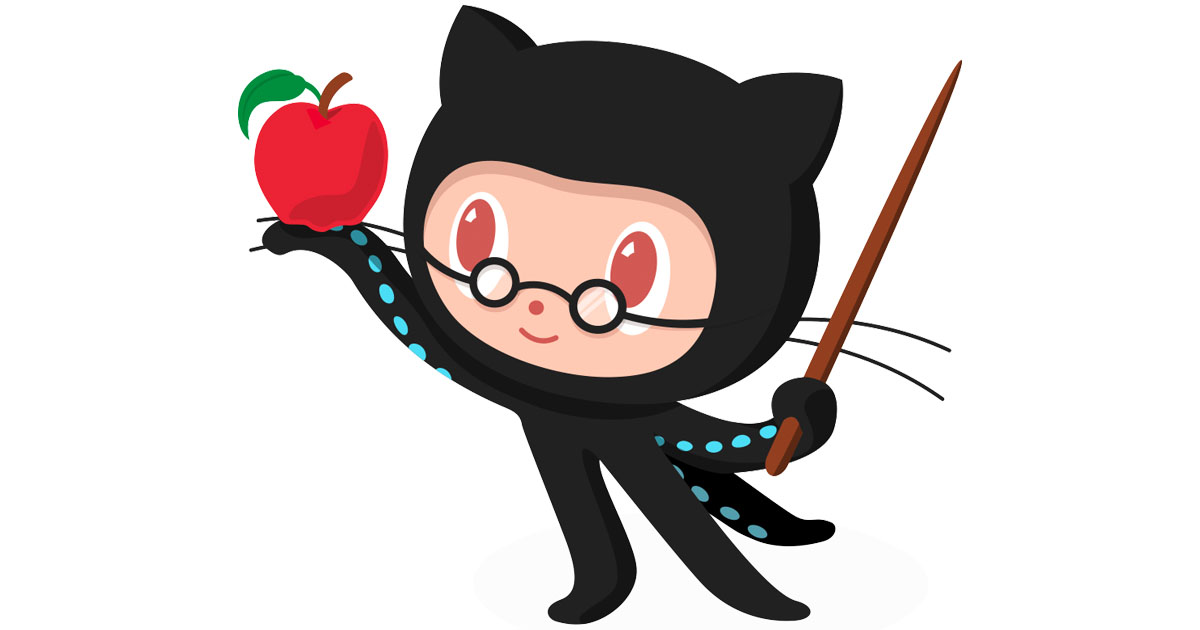
If you’d like to start using GitHub or just see what it’s all about, we’re kicking off a new way for you to learn the basics. Introduction to GitHub is a self-paced, online class designed to help you:
- Get started using GitHub.com in 30 minutes or less.
- Make new friends while collaborating on a fun project.
- Dive into the worlds of GitHub and open source.
Unlike many self-paced training classes where you are completely alone, this one has a thriving Gitter community where GitHub Trainers drop in several times a day to answer questions and help those who are stuck. During the course, you are encouraged to complete an activity where you will drop a pin on our map representing your current location. Check out our current pins here to see where people are learning.
This course is 100 percent free forever and uses several popular open source projects to create a seamless learning experience. Here are a few of the projects we would like to thank:
Even if you’ve been using GitHub for a while, we hope you will try out the course and share your feedback in the class survey. If you think it’s a good introduction to GitHub, we hope you will share the class) with others who’d like to learn.
Written by

Related posts

The next developer interface is ambient intelligence
AI, agents, voice, and physical controls are shifting software development from operating tools to expressing intent—and helping developers stay focused on building.
GitHub availability report: September 2026
In September, we experienced two incidents that resulted in degraded performance across GitHub services.
10 technical talks I’m excited about at GitHub Universe 2026
From verifying AI-written code to securing npm dependencies, these are the sessions I’m building my Universe agenda around.