Bug Bounty anniversary promotion: bigger bounties in January and February
The GitHub Bug Bounty Program is turning three years old. To celebrate, we’re offering bigger bounties for the most severe bugs found in January and February. The bigger the bug,…


The GitHub Bug Bounty Program is turning three years old. To celebrate, we’re offering bigger bounties for the most severe bugs found in January and February.
The bigger the bug, the bigger the prize
The process is the same as always: hackers and security researchers find and report vulnerabilities through our responsible disclosure process. To recognize the effort these researchers put forth, we reward them with actual money. Standard bounties range between $500 and $10,000 USD and are determined at our discretion, based on overall severity. In January and February we’re throwing in bonus rewards for standout individual reports in addition to the usual payouts.
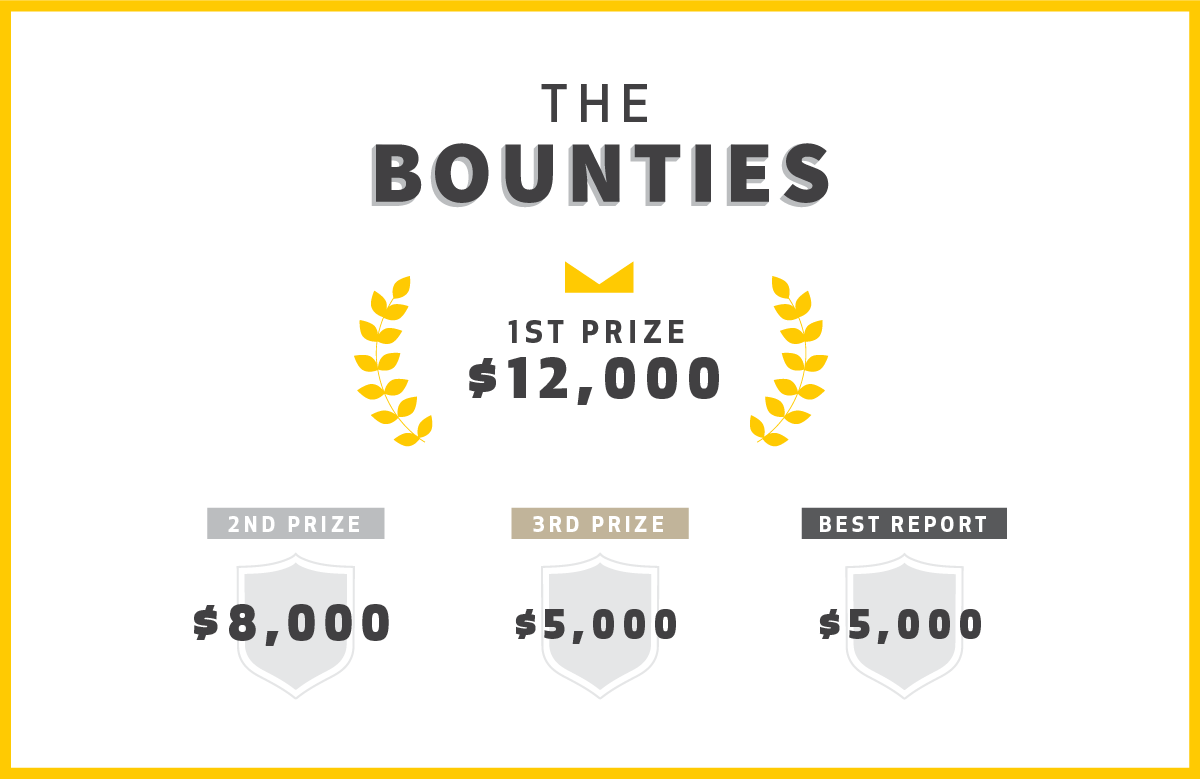
And t-shirts obviously
In addition to cash prizes, we’ve also made limited edition t-shirts to thank you for helping us hunt down GitHub bugs. We don’t have enough for everyone—just for the 15 submitters with the most severe bugs.
Enterprise bugs count, too
GitHub Enterprise is now included in the bounty program. So go ahead and find some Enterprise bugs. If they’re big enough you’ll be eligible for the promotional bounty. Otherwise, rewards are the same as GitHub.com ($200 to $10,000 USD). For more details, visit our bounty site.
Giving winners some extra cash doesn’t mean anyone has to lose. If you find a bug, you’ll still receive the standard bounties.
Happy hunting!
Tags:
Written by

Related posts

GitHub availability report: September 2026
In September, we experienced two incidents that resulted in degraded performance across GitHub services.

10 technical talks I’m excited about at GitHub Universe 2026
From verifying AI-written code to securing npm dependencies, these are the sessions I’m building my Universe agenda around.
Developer policy update: Transparency, state policy, and what’s ahead
Explore GitHub’s latest transparency data and learn more about policy updates affecting developers and open source.