Release Your Software
Today, we’re excited to announce Releases, a workflow for shipping software to end users. Releases are first-class objects with changelogs and binary assets that present a full project history beyond…
Today, we’re excited to announce Releases, a workflow for shipping
software to end users. Releases are first-class objects with changelogs
and binary assets that present a full project history beyond Git artifacts.
They’re accessible from a repository’s homepage:
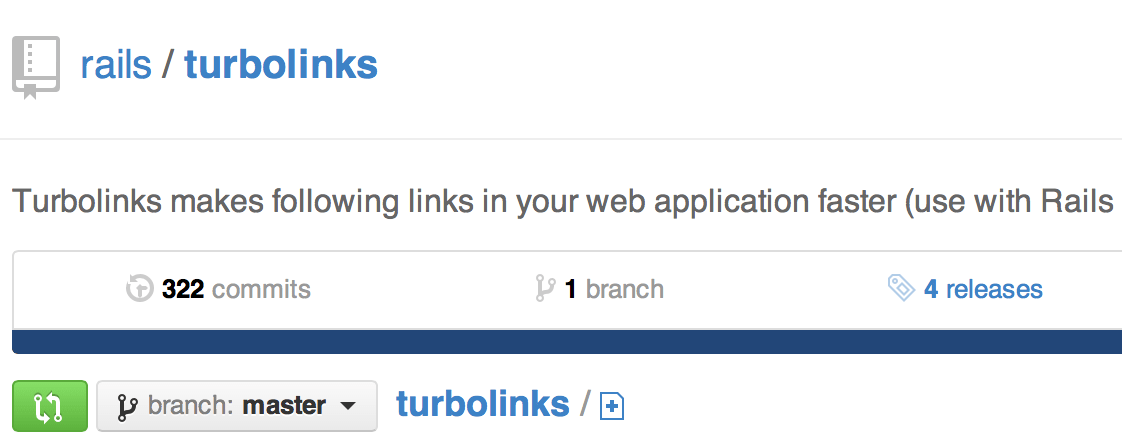
Releases are accompanied by release notes and links to download the software
or source code.

Following the conventions of many Git projects, releases are tied to Git tags.
You can use an existing tag, or let releases create the tag when it’s published.
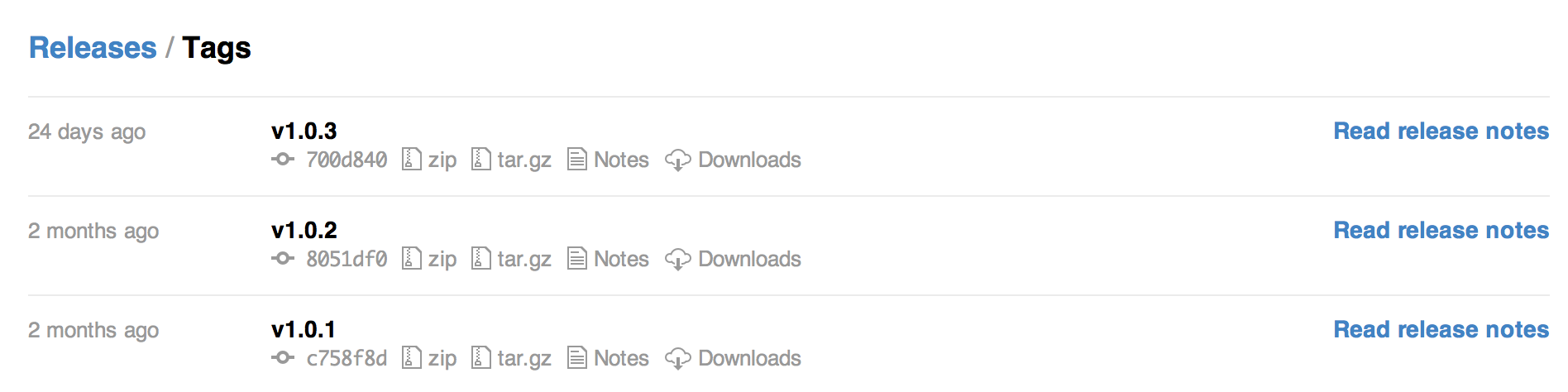
We recommend projects use Semantic Versioning, but it is
not required.
Creating Releases
As a repository collaborator, you can draft up a changelog in a release’s notes.
Any non-production releases (alphas, betas, release candidates) can be
identified through the pre-release checkbox.
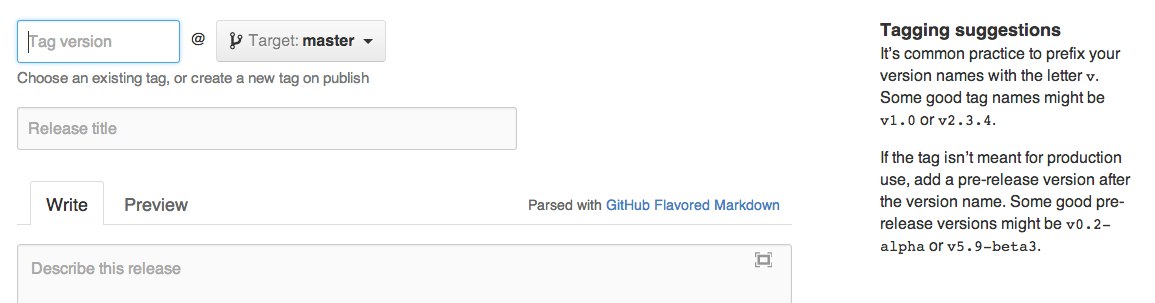
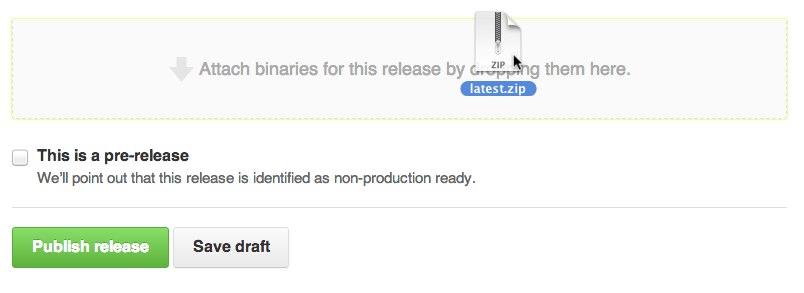
You can also attach binary assets (such as compiled executables,
minified scripts, documentation) to a release. Once published, the
release details and assets are available to anyone that can view the repository.
Happy shipping!
Written by

Related posts

10 technical talks I’m excited about at GitHub Universe 2026
From verifying AI-written code to securing npm dependencies, these are the sessions I’m building my Universe agenda around.

Developer policy update: Transparency, state policy, and what’s ahead
Explore GitHub’s latest transparency data and learn more about policy updates affecting developers and open source.
Developers want more efficient software. Here’s what over 1,000 GitHub users told us they need.
New research from GitHub and Yale Program on Climate Change Communication finds strong demand for tools, measurement, and practical guidance that can help developers reduce wasted compute.