Release Your Software
Today, we’re excited to announce Releases, a workflow for shipping software to end users. Releases are first-class objects with changelogs and binary assets that present a full project history beyond…
Today, we’re excited to announce Releases, a workflow for shipping
software to end users. Releases are first-class objects with changelogs
and binary assets that present a full project history beyond Git artifacts.
They’re accessible from a repository’s homepage:
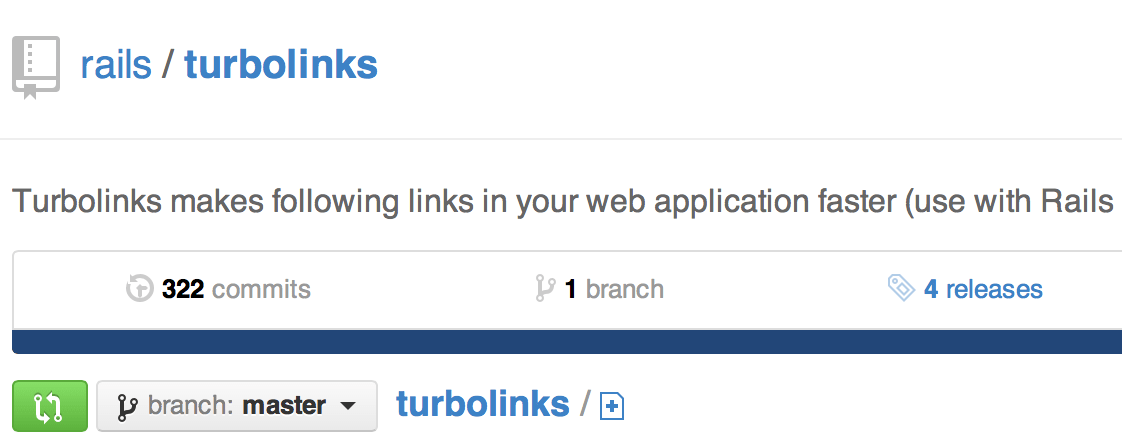
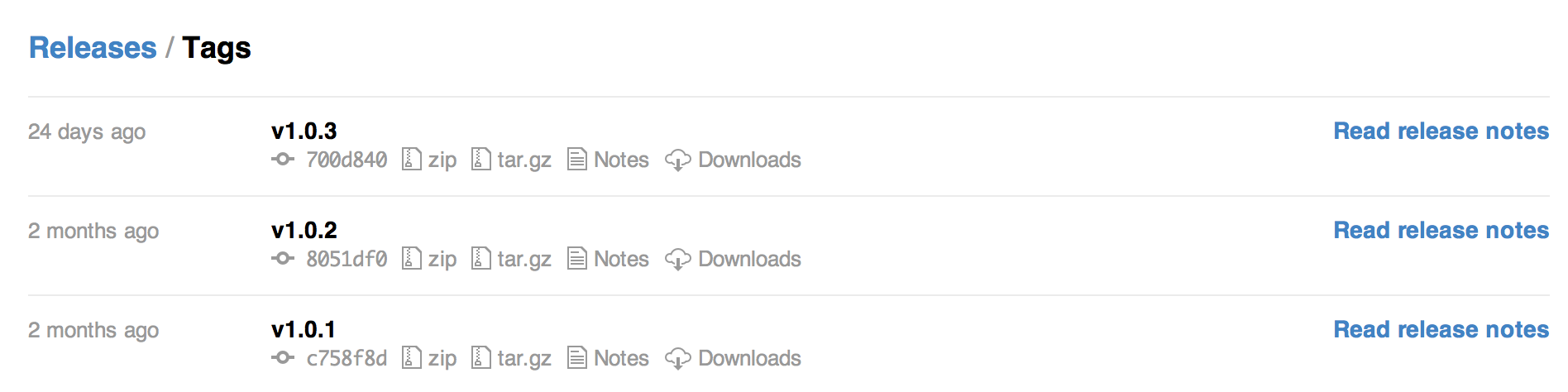
Releases are accompanied by release notes and links to download the software
or source code.

Following the conventions of many Git projects, releases are tied to Git tags.
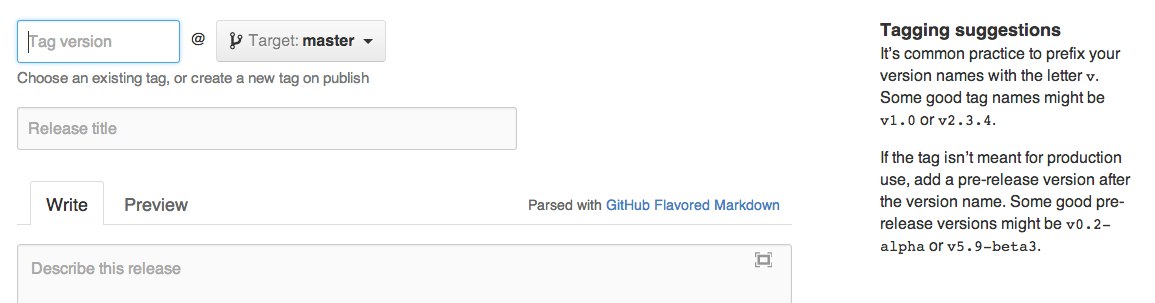
You can use an existing tag, or let releases create the tag when it’s published.
We recommend projects use Semantic Versioning, but it is
not required.
Creating Releases
As a repository collaborator, you can draft up a changelog in a release’s notes.
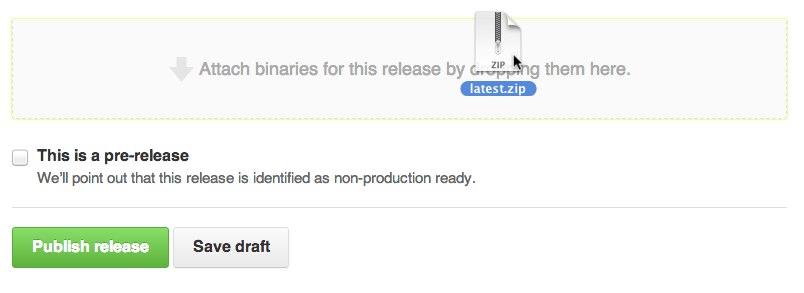
Any non-production releases (alphas, betas, release candidates) can be
identified through the pre-release checkbox.
You can also attach binary assets (such as compiled executables,
minified scripts, documentation) to a release. Once published, the
release details and assets are available to anyone that can view the repository.
Happy shipping!
Written by

Related posts

GitHub availability report: April 2026
In April, we experienced 10 incidents that resulted in degraded performance across GitHub services.

GitHub Copilot individual plans: Introducing flex allotments in Pro and Pro+, and a new Max plan
Starting June 1, our lineup of individual plans will update based on your feedback.

Why age assurance laws matter for developers
Youth safety requirements are moving down the tech stack to operating systems and app stores—raising new questions for open source developers.